Tips to Maximize Your Scrap Catalytic Converter Payout
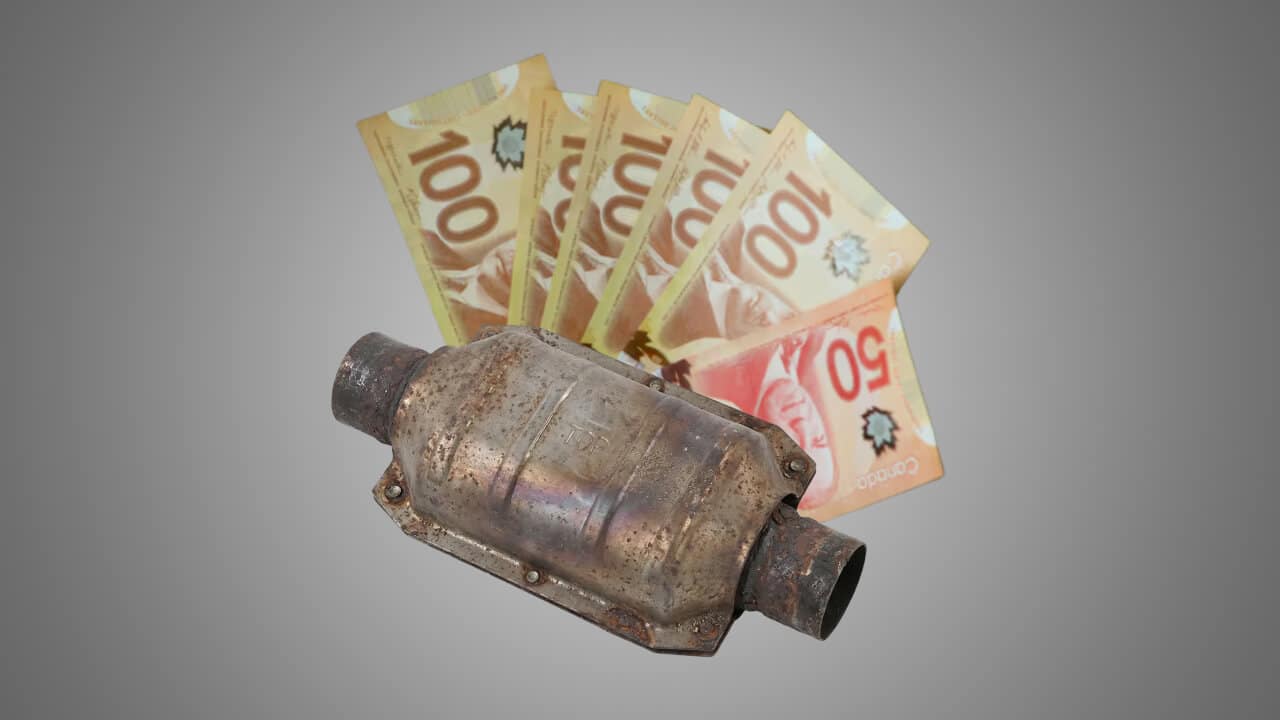
Catalytic converters are one of the most sought-after scrap components by facilities like scrapyards or auto recycling centres. What makes catalytic converters valuable is the precious metals (such as platinum, palladium, and rhodium) they contain. You can expect a relatively good amount by scrapping a catalytic converter as compared to most of the other auto parts like transmissions or wheels. If you’re looking to scrap a catalytic converter for cash and want to get the highest possible payout, you need to follow the given tips to maximize your scrap catalytic converter value in the Canadian market.
Maximize Your Scrap Catalytic Converter Payout
Follow the tips below to get paid the maximum amount for your scrap catalytic converter:
1. Properly Identify Your Catalytic Converters
Before selling the converter, proper identification is important because not all catalytic converters are created equal in quality. OEM (Original Equipment Manufacturer) converters that are manufactured by the original car manufacturer (like Toyota, Ford, etc.) when the vehicle is brand new contain higher amounts of precious metals, which results in higher payouts. On the other hand, aftermarket converters often have minimal value and can fetch 5–10 times lower payouts than OEM catalytic converters.
Misidentifying can result in loss, so always check for serial numbers or manufacturer markings to identify whether you have OEM or aftermarket converters.
2. Know Your Converter Type
Different vehicle brands manufacture different types of converters according to the needs of their vehicles. So, it’s always worth knowing the type of converter you have, as units from trucks can fetch more cash compared to those from smaller vehicles.
3. Keep the Unit Undamaged
The condition of a catalytic converter matters the most in the market. A damaged or hollowed converter can lose 30–70% of its overall value because inside every catalytic converter is a honeycomb structure coated with precious metals. This inner core is what buyers actually pay for. So, if the inner core is broken or hollowed, that means you are selling an empty metal shell, which has almost no value.
4. Track Metal Prices
The value of catalytic converters depends mainly on platinum, palladium, and rhodium. In the global market, metal prices fluctuate on a daily basis, which directly impacts your payout. If you have a bunch of units, you can take the time to track the price of the metals to time your sale, as the price fluctuates frequently.
5. Sell to Reputable and Specialized Buyers
Always prefer reputable and specialized catalytic converter recyclers or refiners, as they often pay more than traditional scrap yards because they don’t rely solely on middlemen.
6. Sell It Separately
If possible, then try to sell the catalytic converter and other main car parts separately instead of scrapping the whole vehicle. Selling the converter separately can yield more profit (CA$100–CA$800+), but this option will take more time than scrapping a car as a whole.
7. Get Multiple Quotes
Don’t accept the first offer you get; always reach out to multiple scrap yards or specialized recyclers to get quotes. Industry experts recommend comparing offers, as this practice can boost your payout by 20–40% or even more.
How Much to Expect?
Although the price of a catalytic converter is affected by various factors, each catalytic converter has its own type and build quality. However, you can expect between CA$40 and CA$1,200 or even more by selling a scrap catalytic converter in Canada.
Final Thoughts
By selling a used catalytic converter, you won’t get rich, but it’s one of the most valuable components of a vehicle that will put some extra cash in your pocket. Apart from contributing to responsible recycling, you can get paid the maximum amount for your catalytic converter by following a few proven tips.
Sharing Is Caring!