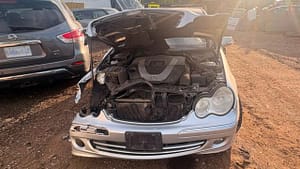
What Do I Need to Do When Scrapping My Car?
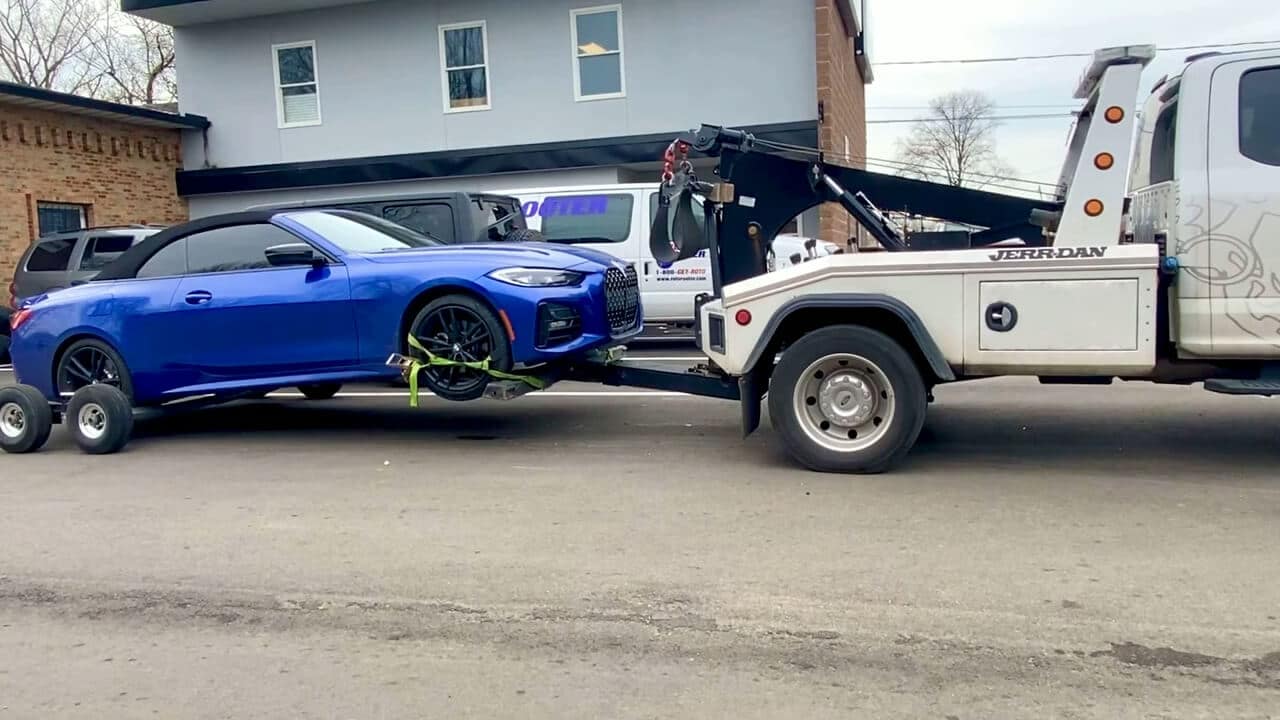
If you have an old vehicle that is no longer roadworthy or worth repairing, scrapping it might be the economical and eco-friendly option. In that case, scrapping a car in Canada isn’t just about calling a scrapyard or dealer, but there are specific steps involved that you need to follow carefully to do it legally, safely, and responsibly. In this detailed guide, we will explore what you need to do when scrapping your car in Canada while getting paid fairly and contributing to a greener environment.
Exploring! What Do You Need to Do When Scrapping a Car?
Following is a detailed step-by-step guide on what you need to do when scrapping your car in Canada.
1. Find a Licensed Scrapyard
First of all, you need to choose a certified and reputable auto recycler or scrapyard that is registered with programs like the Automotive Recyclers of Canada (ARC) and the Ministry of the Environment, Conservation and Parks (MECP). Facilities acknowledged by the following institutes are most probably reputable and comply with the regulations.
2. Gather Required Documents
After selecting a suitable scrapyard or scrap dealer to work with, you must collect the following documents:
- Vehicle Ownership/Permit
- A government-issued Photo ID (e.g., driver’s license)
- Bill of Sale (Some scrapyards may ask)
3. Remove Personal Belongings
Scrapyard will not be responsible for your loss if you leave something in the vehicle and it is processed for recycling because it’s an irreversible process. So it’s recommended, that after collecting the essential documents, you must check your vehicle thoroughly to identify whether you left any personal items. Personal belongings can be documents (e.g., insurance papers), gadgets (e.g., GPS or headphones), or other items (such as clothing or sunglasses).
4. Cancel Insurance
To avoid unnecessary premiums, contact your insurance provider to cancel coverage on the car once it’s no longer in your possession.
5. Complete the Ownership Transfer
After getting paid for the vehicle that you are scrapping, transfer ownership by signing over the ownership document to the scrapyard. Don’t forget to obtain the disposal receipt for your records.
6. Notify the Provincial Authority
After scrapping, notify your provincial or territorial transportation authority to update their records. You can inform them by following these steps:
- Submitting a notice of vehicle disposal or transfer
- Providing proof of scrapping, such as a receipt from the scrapyard
- Returning license plates (if required).
Always prioritize this step because this step ensures you’re no longer liable for the vehicle and prevents complications or fines.
Process Variations
By following the above procedure, you can scrap the car smoothly. However, the procedure and the requirements can vary for scrapping by province. For example:
- If you are scrapping a car from any area in Ontario (ON), then you must notify ServiceOntario and return the license plates or sign a plate transfer declaration.
- For the residents of British Columbia (BC), ICBC requires a Vehicle Transfer/Tax Form and proof of scrapping.
- In Alberta, you must submit a Bill of Sale and notify a registry agent.
- The SAAQ requires a notice of disposal and plate return for the vehicle owners residing in Quebec.
So it’s recommended to check with your provincial or territorial transportation authority for specific rules and regulations, as they vary by region.
Conclusion
Scrapping your car in Canada is a straightforward process that puts a little money in your pocket and helps the environment. Whether your vehicle has been damaged in an accident, failed emissions tests, or just isn’t worth fixing, then by gathering the proper documents, choosing a licensed scrap service, and following provincial rules, you can get rid of your old vehicle legally, safely, and profitably.